
Marieke Nolten
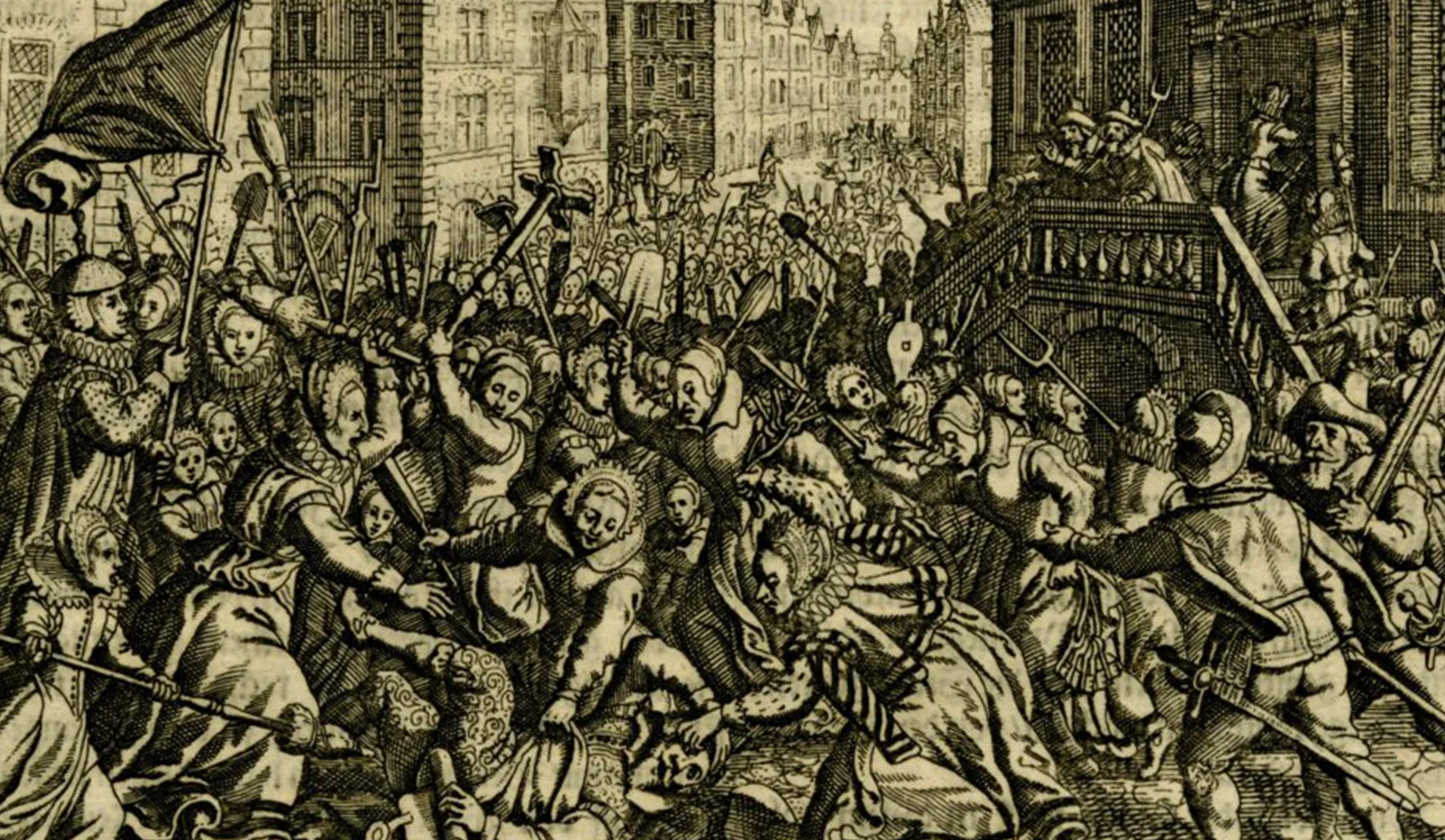
The Dutch Republic offers a striking case when it comes to food protests. Thanks to its political organization and central role in the international grain trade, large-scale famines were relatively rare. Yet throughout the seventeenth and eighteenth centuries, people still took to the streets to protest food prices, shortages, and taxes on basic foodstuffs.
This project examines how those protests – and especially the women who took part in them – were described and remembered. It studies government and court records, the cultural afterlife (Nachleben) of these events, and historical accounts written by scholars. In doing so, it highlights how archivists, publishers, and historians shaped which stories were preserved, modified, or silenced.
Moving beyond a focus on Holland, the project compares food protests across different provinces. By “reading against the grain” and focusing on the construction of narratives, I want to understand how food protests were remembered and re-assess the political role of ordinary people.